How Chatbots Evolved in 5 Years (300% Accuracy Lift)
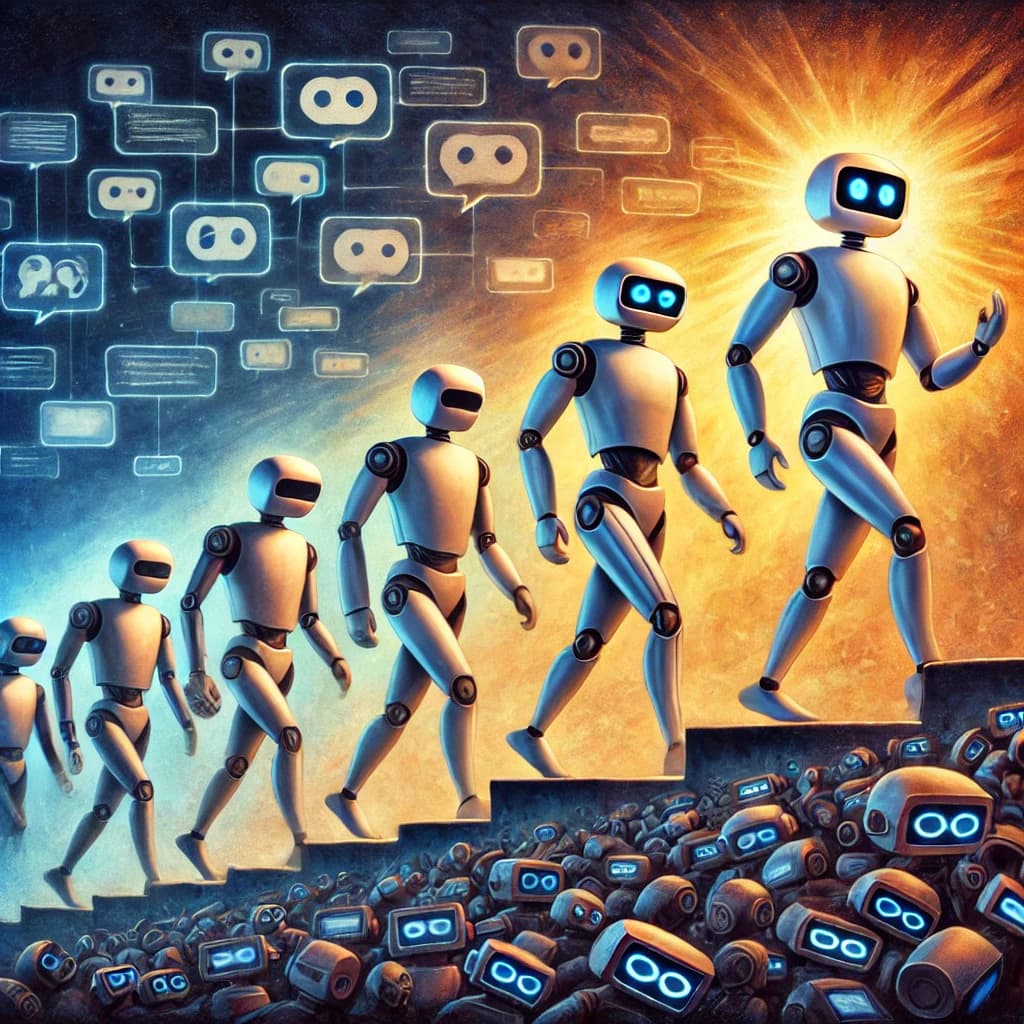
Chatbots evolved from rule-based scripts to AI agents with NLP, ML, multimodal — 300% accuracy gain. The 5-year timeline that reshaped support.
Key Takeaways
- ✓Chatbot accuracy improved from 30-40% to 80-90% in five years
- ✓Modern chatbots integrate with CRM, ERP, and knowledge management systems
- ✓NLP advancements enable context understanding and emotional intelligence
- ✓Multimodal capabilities now support voice, text, and visual interactions
How Have Chatbots Evolved in the Last Five Years?
Chatbots have come a long way in the past five years, transforming from simple rule-based systems into highly advanced AI-driven conversational agents. With advancements in natural language processing (NLP), machine learning, and deep learning, chatbots have become more intelligent, efficient, and capable of handling complex user interactions.
TL;DR: Chatbots have transformed from simple rule-based systems to sophisticated AI-powered conversational agents over the past five years. Modern chatbots integrate natural language processing, machine learning, and multimodal interactions, achieving 80-90% accuracy rates compared to 30-40% five years ago. They now offer personalization, emotional intelligence, and seamless integration with business applications.
Key takeaways:
- Chatbot accuracy improved from 30-40% to 80-90% in five years
- Modern chatbots integrate with CRM, ERP, and knowledge management systems
- NLP advancements enable context understanding and emotional intelligence
- Multimodal capabilities now support voice, text, and visual interactions
The Evolution of Chatbots
1. From Rule-Based to AI-Powered Chatbots
Earlier chatbots operated on predefined rules and scripted responses, limiting their ability to handle dynamic conversations. Recent advancements in AI and NLP have enabled chatbots to understand context, process natural language, and generate human-like responses.
- Learn about AI-powered chatbot advancements: https://www.ibm.com/topics/chatbots
2. Improved Natural Language Understanding (NLU)
Modern chatbots leverage sophisticated NLU techniques to comprehend user intent more accurately. With sentiment analysis and contextual awareness, they can provide more relevant and personalized responses.
- Read about NLU in AI: https://cloud.google.com/natural-language
3. Multimodal Capabilities
Chatbots now support text, voice, and even visual interactions, making them more versatile. Voice assistants like Alexa and Google Assistant exemplify how chatbots have expanded beyond text-based interactions.
- Explore multimodal AI: https://aws.amazon.com/machine-learning/
4. Integration with Business Applications
Chatbots are no longer standalone tools; they integrate seamlessly with CRM systems, e-commerce platforms, and customer support solutions to automate workflows and improve efficiency.
- Learn about chatbot integration: https://www.salesforce.com/products/service-cloud/
5. Enhanced Personalization with AI
Through AI-driven insights and historical interactions, chatbots can offer tailored responses, personalized product recommendations, and proactive support.
- Discover AI-powered personalization: https://www.forrester.com/research/conversational-ai
The Impact of Chatbot Evolution
- Better Customer Service
Chatbots now resolve customer inquiries faster, reducing wait times and improving satisfaction.
- Cost Efficiency for Businesses
Automated chatbots lower operational costs by reducing dependency on human agents while handling high volumes of interactions.
- Seamless Omnichannel Experience
AI chatbots offer a unified experience across websites, mobile apps, and social media platforms, ensuring consistency in customer interactions.
- Read about omnichannel AI: https://www.zendesk.com/service/chatbots/
The Future of Chatbots
Looking ahead, chatbots will continue to evolve with:
- More Advanced AI Models for better human-like conversations.
- Greater Emotional Intelligence to detect tone and sentiment.
- Stronger Security and Compliance for data privacy in industries like finance and healthcare.
Try Twig free — see how autonomous AI support works on your tickets
30-minute setup · Free tier available · No credit card required
Frequently Asked Questions
What accuracy rates do modern chatbots achieve compared to 2019?
Modern chatbots achieve 80-90% accuracy rates, compared to 30-40% five years ago. This improvement is driven by advances in natural language processing, machine learning, and deep learning.
How has chatbot integration with business systems improved?
Chatbots are no longer standalone tools; they integrate seamlessly with CRM systems, e-commerce platforms, and customer support solutions to automate workflows and improve efficiency.
AI Customer Support Vendors 2026What new capabilities do chatbots have that weren't available five years ago?
Modern chatbots understand context, process natural language, and generate human-like responses, with multimodal support for text, voice, and visual interactions. They also offer enhanced personalization and emotional intelligence to detect tone and sentiment.
Chatbots vs Conversational AIRelated Pages
Weekly AI CX insights
How leading support teams deploy autonomous AI. One short email a week.
Related Articles
AI Support Vendors 2026: Only 5 Worth Demoing
5 AI customer support vendors worth demoing in 2026 — Decagon, Sierra, Forethought, and 2 more. $15.12B market, 56% AI-handled.
9 min readWhat Are AI Hallucinations in Customer Support?
AI hallucinations are false information generated by AI systems, posing major risks to customer support accuracy and brand reputation.
11 min readHow long does AI support implementation actually take?
AI support implementation ranges from 30 minutes to 90 days, depending on platform architecture, training requirements, and integration complexity.
10 min read