key concepts
AI Support Vendors 2026: Only 5 Worth Demoing
5 AI customer support vendors worth demoing in 2026 — Decagon, Sierra, Forethought, and 2 more. $15.12B market, 56% AI-handled.
March 29, 2026·9 min read
5 AI customer support vendors worth demoing in 2026 — Decagon, Sierra, Forethought, and 2 more. $15.12B market, 56% AI-handled.
AI hallucinations are false information generated by AI systems, posing major risks to customer support accuracy and brand reputation.
AI support implementation ranges from 30 minutes to 90 days, depending on platform architecture, training requirements, and integration complexity.
AI support data requirements vary from zero historical tickets to tens of thousands, depending on platform architecture and cold-start strategies.
In 2026, buying AI support agents is typically more cost-effective, with per-ticket pricing and mature RAG infrastructure favoring vendor solutions.
5 things enterprise buyers demand before signing AI support: SOC 2, data residency, PII protocols, audit logs, escalation guardrails.
Premium AI support vendors like Decagon and Sierra charge $95K+/yr — locking out 90% of teams. Why the market split exists (and alternatives).
AI platforms measure answer quality through self-evaluation, post-hoc QA, multi-model validation, and accuracy tracking across dimensions.
3 ways AI agents integrate with existing helpdesks: native apps, APIs, browser extensions. Implementation time, feature access, real tradeoffs.
Managed AI offers faster time-to-value with vendor expertise, while self-serve provides control but requires 2-3 FTE resources for maintenance.
AI support pricing includes per-ticket ($2-8), outcome-based ($15-50 per resolution), seat-based ($50-200/month), and hybrid models.
Custom pricing in AI customer support hides variable costs based on volume, features, and integrations — with contracts ranging $50K-$500K annually.
Agentic AI is software that acts autonomously — making decisions, taking actions, achieving goals without human intervention. Full definition, how it differs from chatbots, and where it's used.

Agentic (adj.): acting autonomously to make decisions and achieve goals. Plain-English definition + real examples in AI and business.
AI-powered knowledge bases improve self-service by automating content creation, smart categorization, and dynamic FAQ updates for faster resolution.

AI copilots differ from assistants by providing collaborative decision support, contextual recommendations, and advanced automation for complex workflows.
AI search fails when your knowledge base is stale, unstructured, or full of gaps. The 3 fixes that lift search accuracy 40–60% and cut tickets 35%.
Top 2025 AI knowledge base strategies include dynamic content generation, predictive search, and multi-modal interfaces — boosting efficiency by 50%.
AI-powered tools replace manual systems because they automate updates, improve search by 3x, and provide real-time personalization.
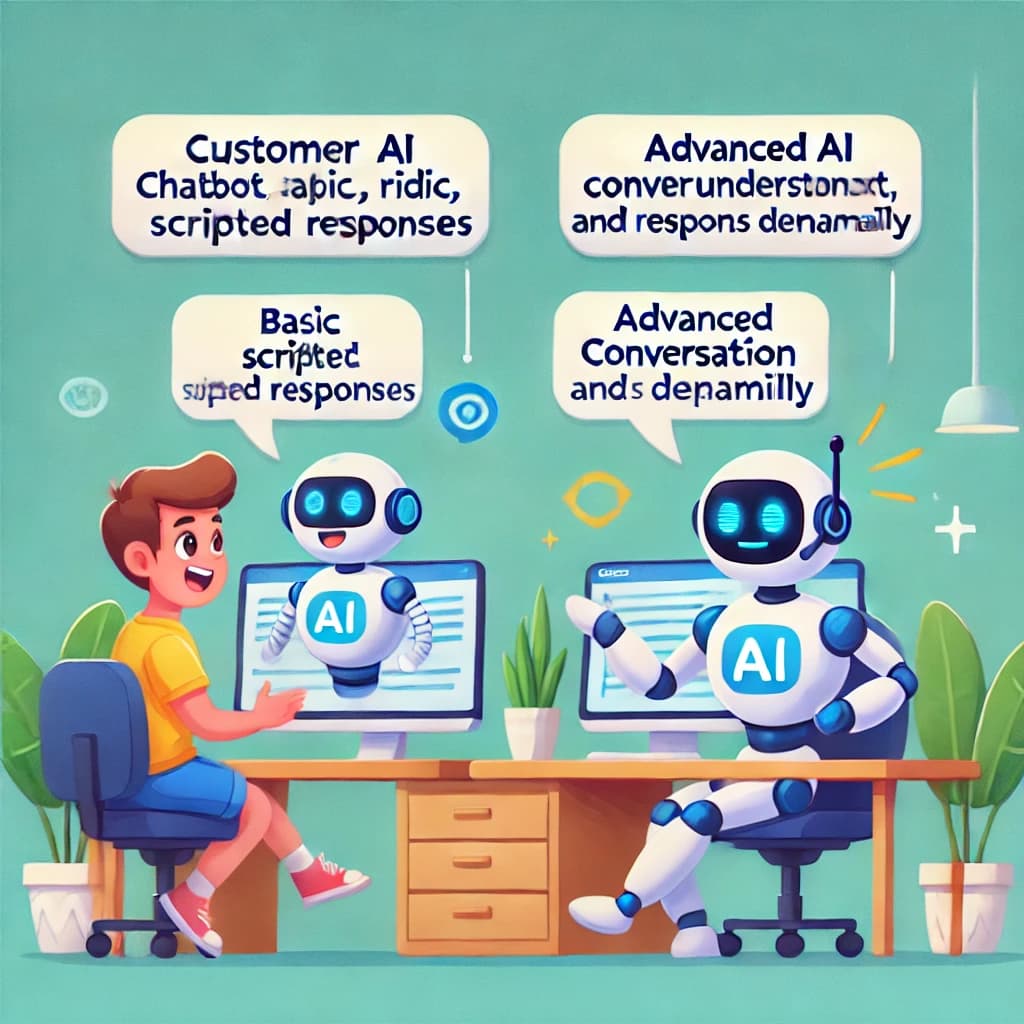
Chatbots = rule-based scripts. Conversational AI = NLP + ML for context-aware responses. The real differences in capability, cost, and resolution rate.

Chatbots evolved from rule-based scripts to AI agents with NLP, ML, multimodal — 300% accuracy gain. The 5-year timeline that reshaped support.

Conversational AI in fintech and insurance provides 24/7 support, reduces response times by 80%, and handles 60-70% of customer inquiries automatically.

Conversational AI transforms insurance claims through 24/7 automated processing, error reduction, and personalized interactions that boost customer satisfaction.
Key 2025 fintech AI trends include omnichannel support, real-time fraud detection, and hyper-personalized customer experiences driving competitive advantage.

Conversational AI excels at structured, real-time interactions while Generative AI offers deeper personalization and complex problem-solving capabilities.

Copilot AI enhances AIOps platforms through real-time agent assistance, predictive maintenance, and automated workflows that improve service efficiency.

Customer service automation uses AI, chatbots, and self-service to cut replies 80%. 5 real examples — and where automation actually fails.

AI can extract knowledge from unstructured data and improve over time, making poor documentation less of a barrier than commonly believed.
Generative AI in fintech creates personalized responses, automates complex explanations, and generates financial advice—improving resolution rates by 60%.
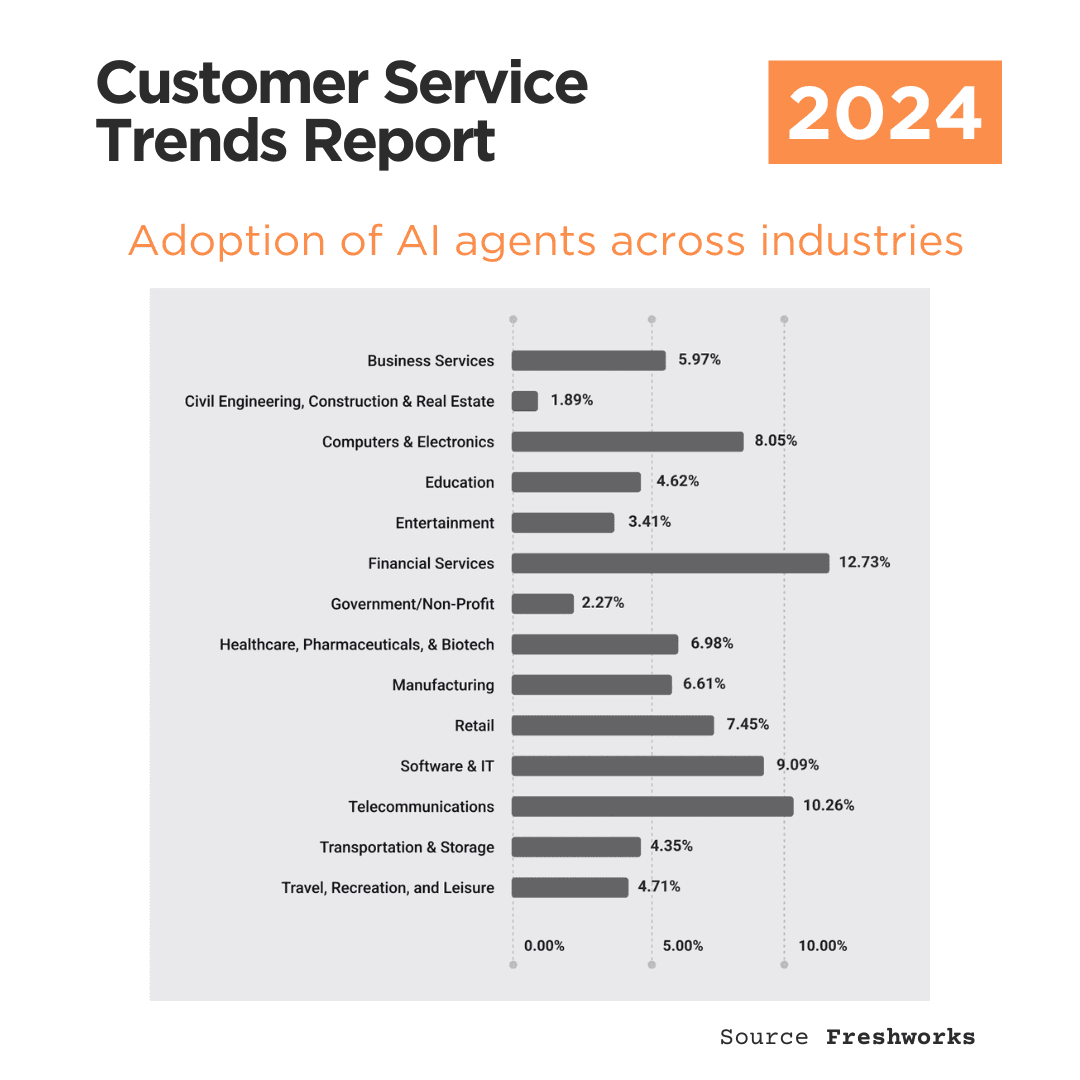
5 ways generative AI powers customer service: conversational agents, automated responses, routing. 35% better first-contact resolution.

AI Q&A answers queries; AI agents autonomously execute tasks and handle 3x more complex interactions. The real difference and when each wins.

Build reliable AI support through quality training data, robust integration, and continuous monitoring—achieving 75%+ ticket deflection rates.

How to write SaaS KB articles that cut tickets 40-60% — structure, scannable format, actionable content. The framework, with examples.
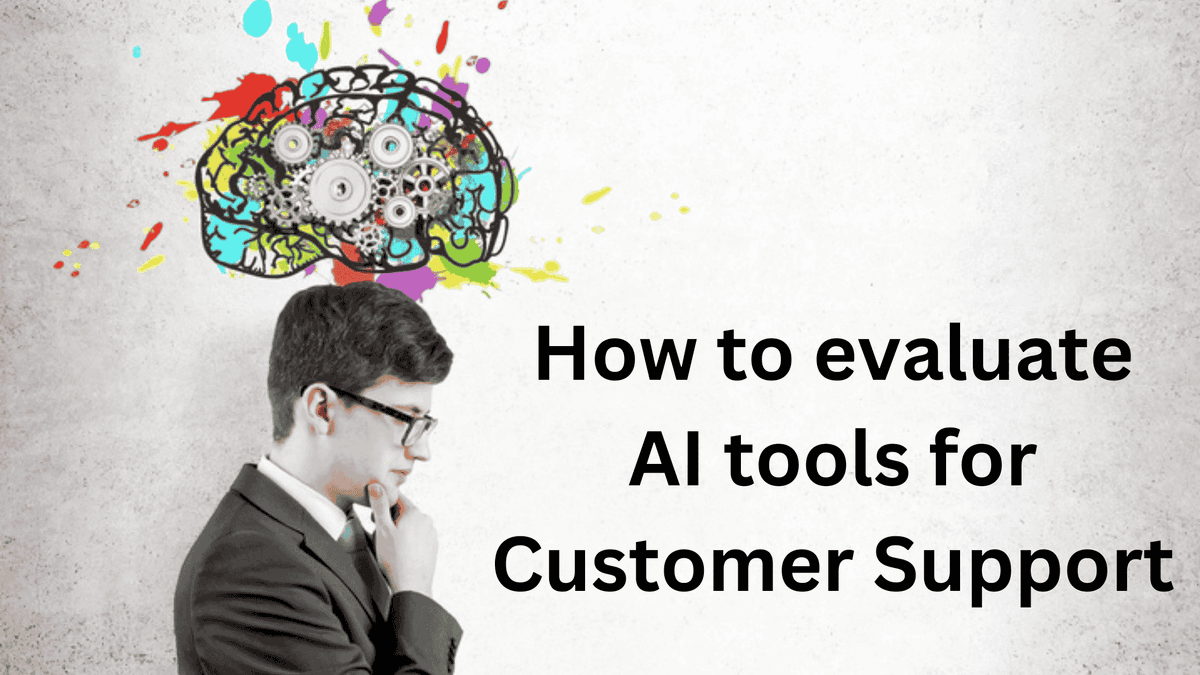
Evaluate AI support tools by defining business goals, assessing chatbots and agent assist features, and measuring efficiency ROI metrics.

NLP processes language; NLU interprets intent and context. Together they lift AI support resolution 70%. The real difference and why it matters.

Small LLMs power AI virtual assistants with agile design, real-time processing, and on-device privacy. 3 wins (and 1 limit) for 2026.

Small LLMs are faster and cheaper for routine queries; large LLMs handle complex reasoning. The real tradeoffs and when each wins.

Hallucinations, compliance gaps, 35% higher escalations, brand damage (Air Canada, Klarna). 7 real risks of AI customer service and how to avoid each.
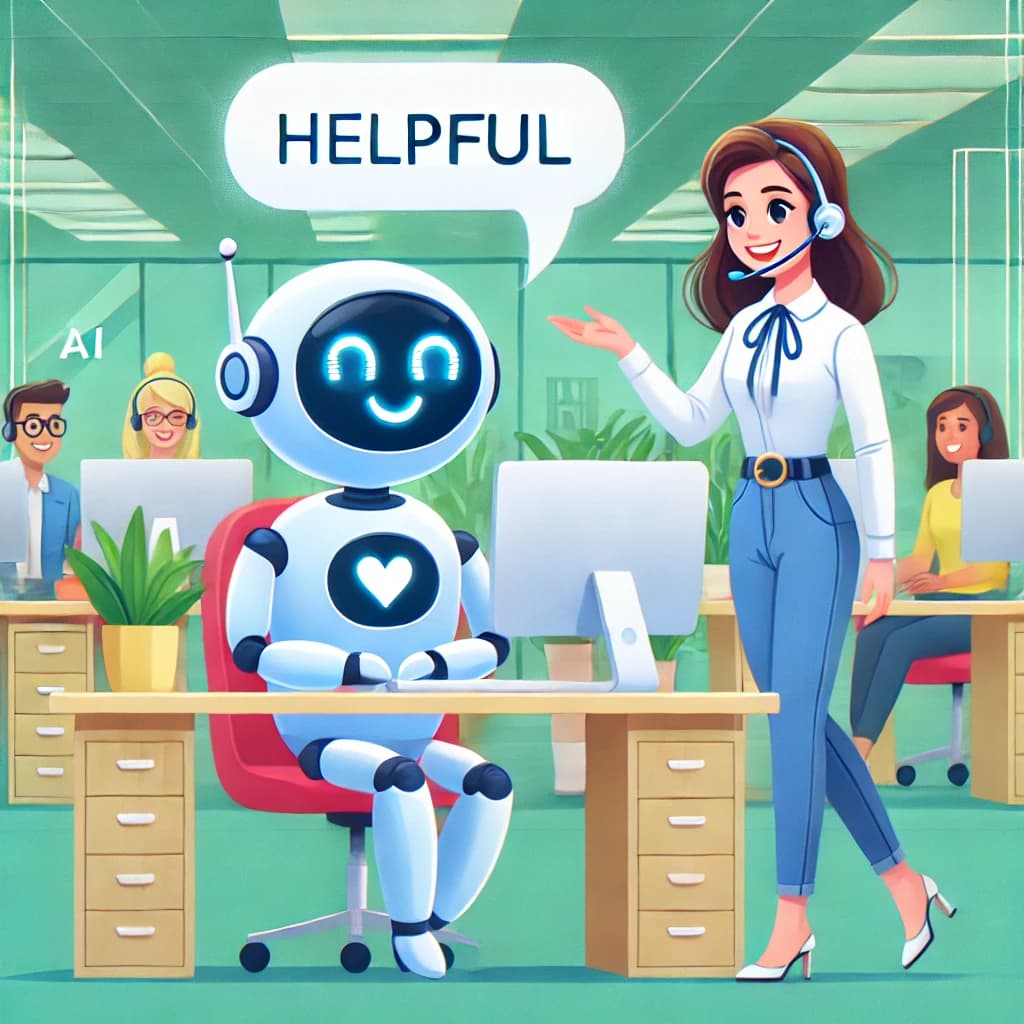
A chatbot is an AI-powered virtual assistant using NLP and machine learning to provide 24/7 automated customer support responses.
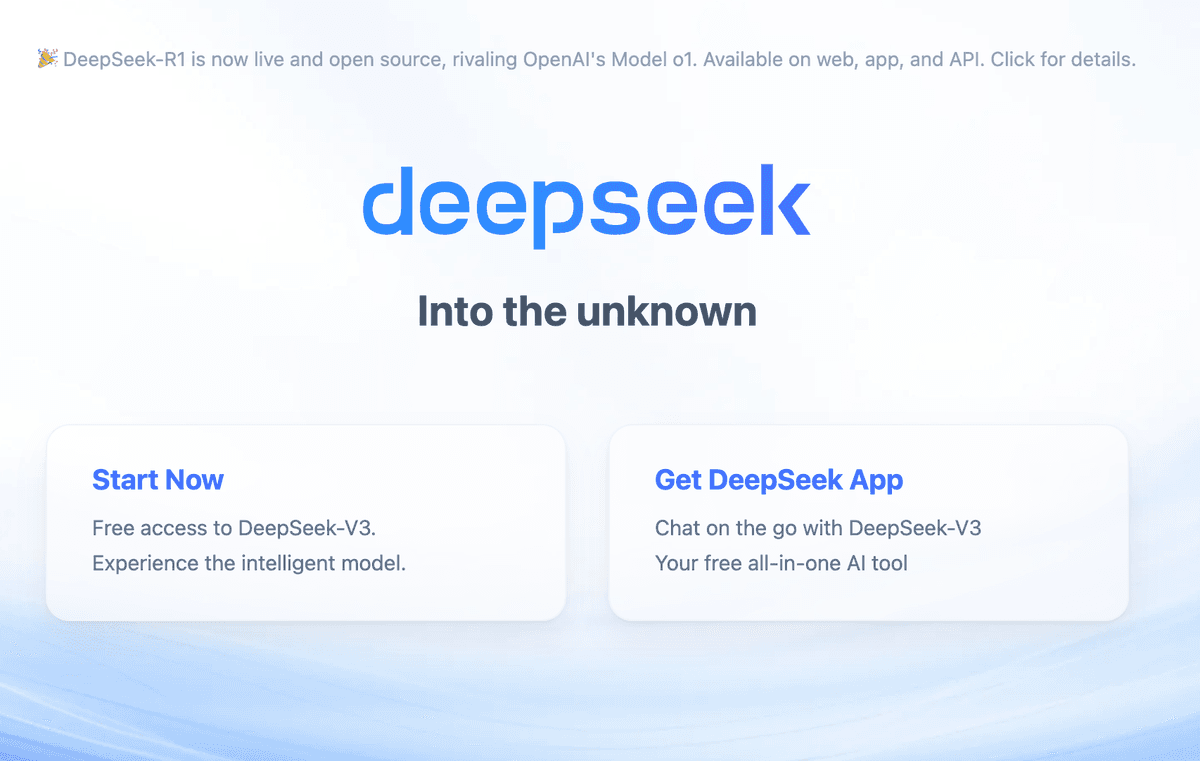
DeepSeek R1 is an advanced generative AI model with enhanced NLP capabilities and reasoning, transforming AI customer support chatbots.
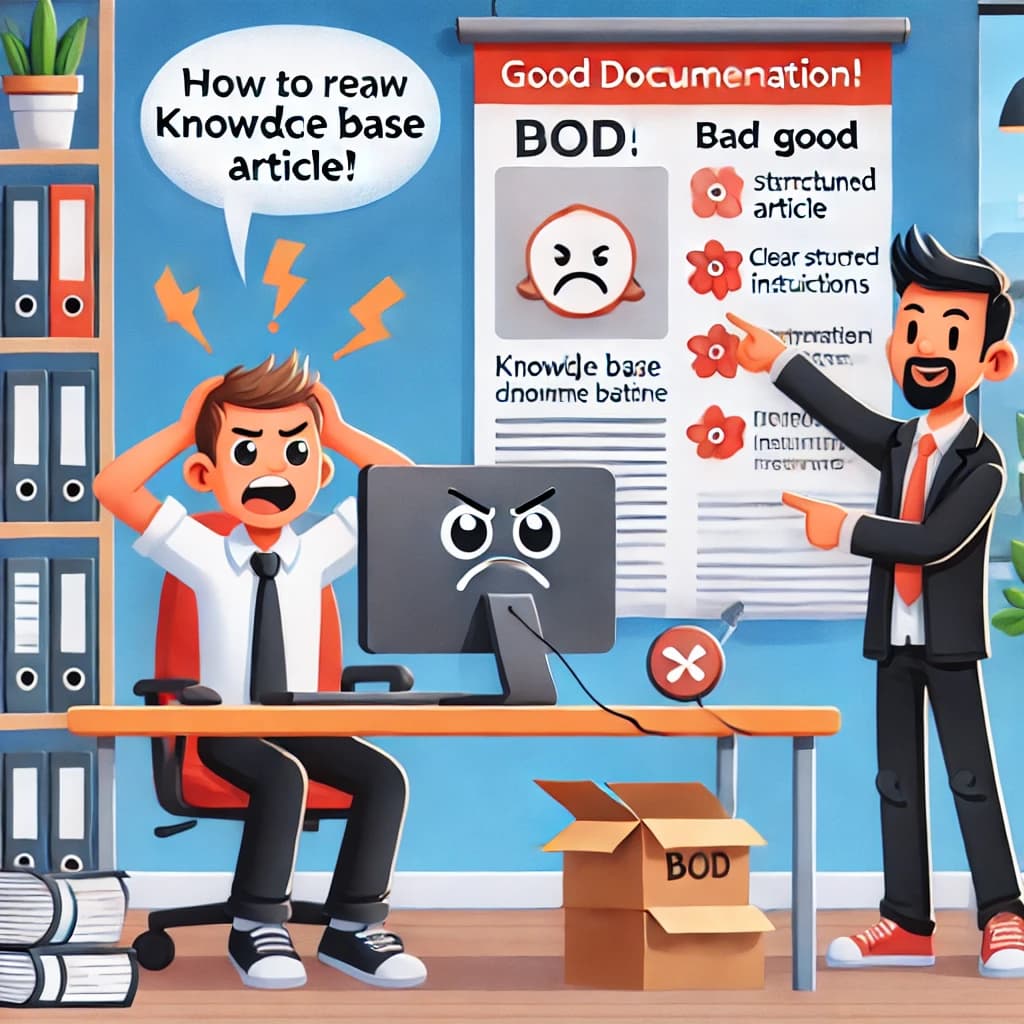
Avoid technical jargon, unclear instructions, and outdated content. Use scannable formatting, SEO optimization, and regular updates instead.